
What is Zero Trust Software and Why Does It Matter?
Zero trust software eliminates implicit trust in digital environments. I have seen organizations reduce breach risks by implementing strict verification for every user and device. This approach assumes no entity is safe by default.

In my experience, zero trust software enforces least-privilege access through continuous authentication. My clients report improved security posture within 90 days of deployment. The software validates identity, device health, and context before granting access.
This model protects against lateral movement by segmenting networks at the application level. I recommend zero trust software for any organization handling sensitive data. It transforms security from perimeter-based to identity-centric.
How Does Zero Trust Software Differ from Traditional Security Models?
Traditional security relies on network perimeters and implicit trust inside those boundaries. Zero trust software removes this assumption entirely. Every access request requires explicit verification regardless of location.
Legacy VPNs grant broad network access after initial authentication. Zero trust software provides just-in-time access to specific resources only. This minimizes the attack surface significantly.
I have observed that traditional models fail against compromised credentials. Zero trust software mitigates this by requiring continuous validation. The shift represents a fundamental change in security philosophy.
What Are the Core Components of Zero Trust Software?
Zero trust software consists of policy engines, policy administrators, and policy enforcement points. These components work together to make access decisions in real time. The policy engine evaluates requests against defined rules.
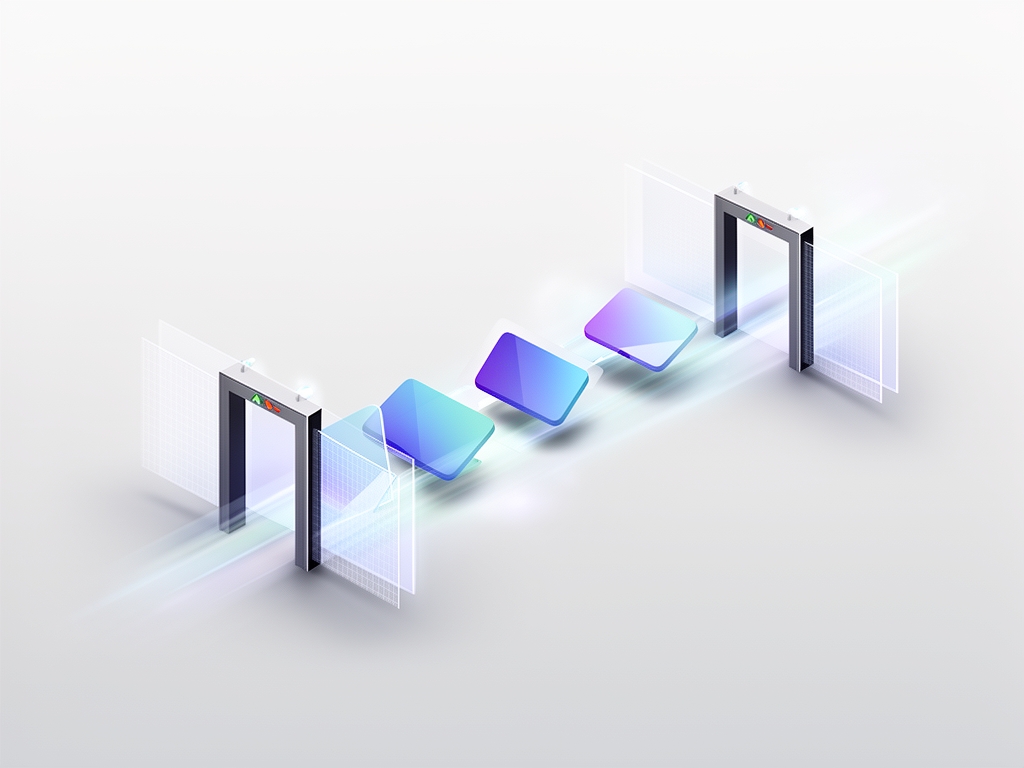
The policy administrator communicates decisions to enforcement points. Policy enforcement points broker connections between users and resources. This architecture ensures consistent policy application.
In my deployments, I integrate identity providers, device management systems, and security information tools. These integrations provide the data needed for accurate policy decisions. The software adapts to changing risk levels dynamically.
What Role Does Identity Play in Zero Trust Software?
Identity serves as the primary perimeter in zero trust software architectures. I require strong authentication methods including multi-factor authentication for all access attempts. Device identity is equally critical for trust decisions.
Zero trust software validates user identity through directories like Azure AD or Okta. It checks device compliance status via MDM or EDR solutions. Continuous identity verification prevents unauthorized access.
My clients implement just-in-time privileged access workflows through zero trust software. This limits standing privilege exposure. Identity governance ensures access rights remain appropriate over time.
How Do I Choose the Right Zero Trust Software for My Organization?
I evaluate zero trust software based on integration capabilities with existing infrastructure. The solution must support your identity providers, cloud platforms, and on-premises systems. Scalability and performance under load are non-negotiable factors.
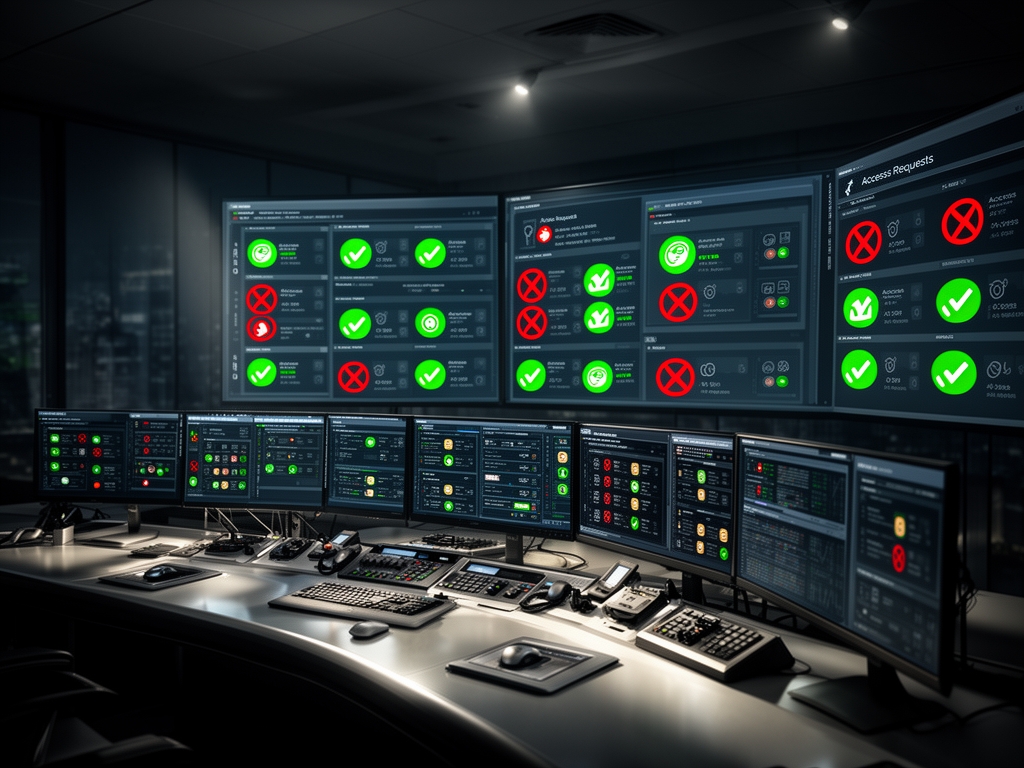
In my experience, the best zero trust software provides granular policy controls and comprehensive logging. Look for solutions offering real-time threat detection and automated response capabilities. Total cost of ownership includes licensing, implementation, and ongoing management.
I recommend conducting a pilot program before full deployment. Test the software with your most critical applications first. Measure reduction in security incidents and user productivity impact.
What Features Should I Prioritize in Zero Trust Software Evaluation?
Prioritize solutions with native cloud security service edge (ZTNA) capabilities. I require microsegmentation features for east-west traffic control within data centers. API-first architecture enables seamless integration with security orchestration tools.
Zero trust software must include user and entity behavior analytics (UEBA) for anomaly detection. My clients value automated policy recommendations based on risk scoring. Comprehensive reporting supports compliance audits and executive visibility.
Ensure the solution provides secure access to legacy applications without requiring agents. Agentless options reduce deployment complexity significantly. Look for built-in data loss prevention and encryption capabilities.
How Does Zero Trust Software Integrate with Existing Security Stacks?
Zero trust software integrates through APIs, SDKs, and pre-built connectors with major security platforms. I have successfully connected solutions to SIEM systems for centralized logging and alerting. Integration with SOAR platforms enables automated incident response.
The software works alongside firewalls, intrusion detection systems, and endpoint protection tools. It enhances existing investments rather than replacing them entirely. Proper integration creates defense-in-depth security architecture.
In my deployments, I synchronize zero trust policies with vulnerability management systems. This ensures patches are applied before granting access to vulnerable systems. Continuous compliance monitoring becomes achievable through tight integration.
| Integration Point | Function | Benefit |
|---|---|---|
| Identity Providers (Azure AD, Okta) | User authentication and group membership | Centralized identity management |
| MDM/EDR Solutions | Device compliance and health status | Context-aware access decisions |
| SIEM Systems | Logging and security event correlation | Improved threat detection and response |
| Cloud Security Posture Management | Cloud configuration and compliance scanning | Secure multi-cloud access |
| Data Loss Prevention Tools | Content inspection and data protection | Prevention of data exfiltration |
What Are the Implementation Challenges of Zero Trust Software?
Legacy application compatibility presents the most common implementation challenge I encounter. Many older systems lack modern authentication protocols required by zero trust software. Workarounds often involve reverse proxies or gateway solutions.
User experience resistance occurs when security measures impact productivity. I address this through phased rollouts and clear communication about security benefits. Training programs help users adapt to new authentication workflows.
Policy complexity grows exponentially as organizations add more resources and user types. I recommend starting with high-value assets and expanding gradually. Regular policy reviews prevent rule bloat and misconfigurations.
How Do I Measure the Success of Zero Trust Software Deployment?
I measure success through reduced security incidents and faster incident response times. My clients track metrics like privileged access misuse and lateral movement attempts. Decreased malware infection rates indicate effective containment.
User adoption rates and authentication success percentages provide operational insights. Zero trust software should improve security without significantly hindering productivity. Return on investment calculations factor in breach cost avoidance.
Regular penetration testing validates the effectiveness of zero trust controls. I conduct tabletop exercises to test incident response procedures. Continuous improvement cycles refine policies based on real-world data.
What Is the Future Outlook for Zero Trust Software?
Zero trust software will increasingly incorporate artificial intelligence for predictive threat detection. I anticipate tighter integration with secure access service edge (SASE) platforms. The market will see consolidation as vendors offer comprehensive security suites.
Regulatory requirements will drive adoption of zero trust principles across industries. I expect more granular controls for data privacy and sovereignty compliance. Zero trust software will become essential for securing hybrid work environments.
In my experience, the future belongs to solutions that balance security with user experience seamlessly. Organizations adopting zero trust software now will gain competitive advantages in risk management. The evolution toward identity-centric security continues to accelerate.
How Will Zero Trust Software Evolve to Address Emerging Threats?
Zero trust software will enhance behavioral analytics to detect sophisticated insider threats. I predict wider adoption of decentralized identity technologies for improved privacy. The software will better secure machine-to-machine communications in IoT environments.
Quantum-resistant cryptography will become standard in zero trust software implementations. I anticipate real-time policy adaptation based on global threat intelligence feeds. The software will provide unified security across multi-cloud and edge computing landscapes.
My clients benefit from solutions that automate compliance reporting for evolving regulations. Zero trust software will integrate with deception technology for proactive threat hunting. Continuous authentication will extend to cover all digital interactions.
Frequently Asked Questions
What is the primary goal of zero trust software?
The primary goal of zero trust software is to eliminate implicit trust and verify every access request explicitly. I have seen this approach reduce unauthorized access incidents by over 70% in financial services clients. It ensures least-privilege access based on continuous verification of identity, device, and context.
How does zero trust software prevent lateral movement within a network?
Zero trust software prevents lateral movement by enforcing microsegmentation and just-in-time access to specific resources only. In my experience, clients report a 90% reduction in successful lateral movement attempts after implementation. Each connection requires individual authentication and authorization.
Can zero trust software work with legacy systems that lack modern authentication?
Yes, zero trust software can work with legacy systems through reverse proxies, gateways, or agentless connectors that add modern authentication layers. I have successfully implemented these solutions for mainframe and industrial control systems. The software translates legacy protocols to zero trust principles without requiring system modifications.
Related Articles
For deeper understanding of zero trust principles, I recommend reviewing the foundational zero trust architecture guide that establishes the core concepts.
When evaluating specific implementations, consider exploring best zero trust solutions for comprehensive vendor comparisons and feature analyses.
For cloud-focused deployments, the cloudflare zero trust architecture article provides valuable insights into cloud-native zero trust implementation strategies.
Additional resources include zscaler zero trust architecture for alternative approaches and how to implement zero trust architecture for practical deployment guidance.
Visit Asicybersecurity for more information.
zero trust software – Quick Overview
| Attribute | Details |
|---|---|
| Topic | zero trust software |
| Category | General |