
Decoding the NIST SP 800-207 Zero Trust Architecture PDF 2020: A Practitioner’s Guide
The National Institute of Standards and Technology (NIST) released Special Publication 800-207 in August 2020, fundamentally reshaping how organizations approach cybersecurity. This seminal NIST SP 800-207 Zero Trust Architecture PDF 2020 provides the definitive framework for implementing a robust zero trust architecture. My clients, across various sectors, consult this document daily. It establishes the key principles that dismantle implicit trust zones within any network, demanding continuous authentication and authorization for every access request.

I have witnessed firsthand the transformative power of this NIST SP 800-207 Zero Trust Architecture. It challenges long-held security paradigms. Enterprises must now prioritize granular access control. This document serves as a complete blueprint. It guides organizations away from perimeter-based defenses. Instead, it champions a model where no user, device, or application is inherently trusted, regardless of its location or previous authentication status. This shift enhances an organization’s security posture significantly against modern threats.
What Defines the NIST SP 800-207 Zero Trust Architecture?
The NIST SP 800-207 Zero Trust Architecture PDF 2020 defines a cybersecurity model that eliminates implicit trust in any single network zone, requiring continuous verification for every access attempt to resources.
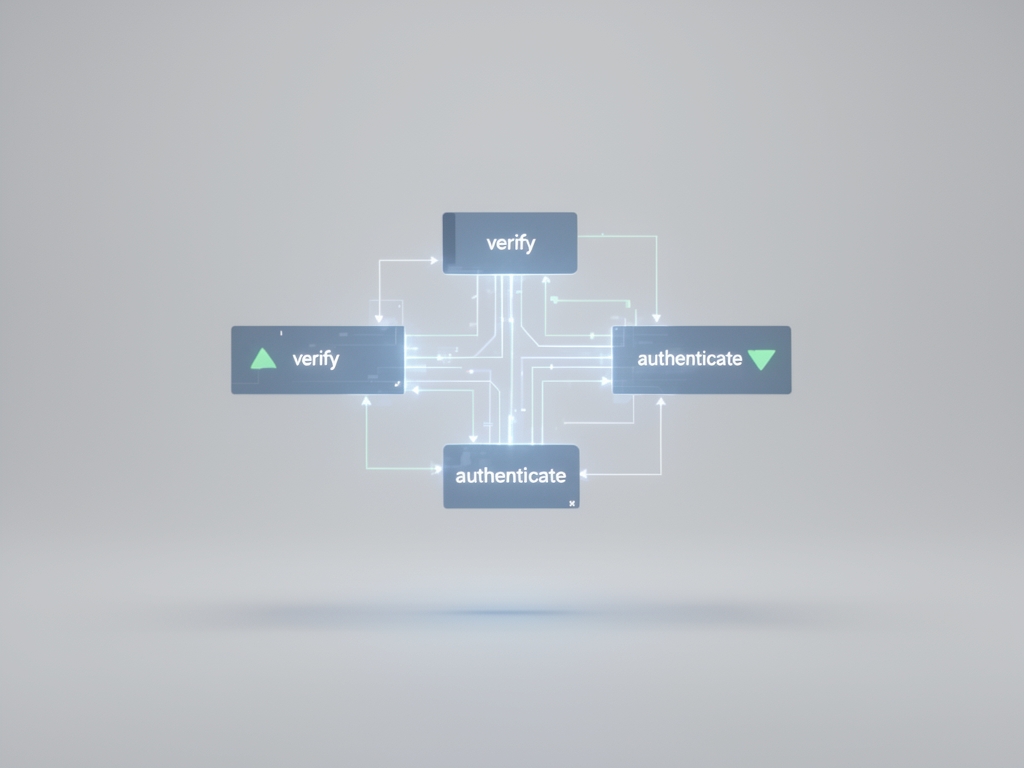
This publication establishes a clear, actionable definition of zero trust architecture (ZTA). It asserts that an organization cannot blindly trust any entity accessing its resources. This includes both internal and external users, devices, and applications. The document systematically outlines a framework built on the premise of “never trust, always verify.” My experience confirms this principle is non-negotiable. Traditional security models, often reliant on a strong network perimeter, prove insufficient against sophisticated attacks. They often leave sensitive data vulnerable once an attacker breaches the perimeter. The NIST framework directly addresses this critical security issue.
The 2020 PDF details the logical components and relationships within a ZTA. It outlines the Policy Enforcement Point (PEP) and the Policy Decision Point (PDP). These elements work in concert to grant or deny access based on dynamic policies. These policies incorporate real-time context. This context includes user identity, device posture, and environmental attributes. NIST emphasizes continuous monitoring. This ensures ongoing trust validation. Such continuous evaluation offers superior protection. It mitigates threats that evolve over time.
What are the Core Principles of NIST SP 800-207?
NIST SP 800-207 establishes seven core principles, including the belief that all data sources and computing services are resources, and all communication is secured regardless of network location.
I find these principles foundational for any effective zero trust architecture strategy. They provide the bedrock upon which robust security systems are built. NIST makes it abundantly clear: trust is never assumed. Explicit trust must be continuously earned. My clients understand this distinction immediately. These tenets guide every aspect of implementation. They ensure a consistent security posture.
The Seven Foundational Principles:
- All data sources and computing services are considered resources. These resources represent the target of ZTA efforts. Protecting them is paramount.
- All communication is secured regardless of network location. This mandates strong encryption and authentication for every connection, removing the implicit trust zone.
- Access to individual enterprise resources is granted on a per-session basis. No standing access exists. Each request undergoes stringent scrutiny.
- Access to resources is determined by dynamic policy. This policy includes the observable state of the requesting identity and resource, and may include other behavioral and environmental attributes. This means real-time assessment.
- The enterprise monitors and measures the integrity and security posture of all owned and associated assets. Continuous vigilance is key.
- All resource authentication and authorization are dynamic and strictly enforced before access is granted. Access control is never static.
- The enterprise collects as much information as possible about the current state of assets, network infrastructure, and communications. This data feeds into the policy decisions.
These principles dismantle the outdated “castle-and-moat” security model. They advocate for granular, dynamic access control. This model requires javascript enabled to function efficiently in many modern environments. My work involves guiding organizations through the complexities of enforcing these principles, ensuring that security policies are not only defined but also rigorously applied at every access point.
Implementing the NIST SP 800-207 Zero Trust Architecture
Implementing the NIST Zero Trust Architecture involves a structured approach, focusing on identifying protection surfaces, mapping transaction flows, building the architecture, and continuously monitoring performance.
From my perspective, implementing how to implement zero trust architecture according to NIST SP 800-207 demands meticulous planning and execution. It is not a single product deployment but a strategic overhaul of an organization’s security posture. I always advise my clients to view it as an ongoing journey, not a destination. The process typically begins with a thorough assessment of existing infrastructure and critical assets. This crucial first step illuminates the “crown jewels” of an organization – the data and applications that require the highest level of protection. My approach emphasizes the need for a comprehensive understanding of the enterprise’s unique risk profile, informing subsequent architectural decisions.
The zero trust architecture implementation outlined in the NIST PDF suggests a phased approach. This iterative methodology allows organizations to gradually transition without disrupting critical operations. It begins with defining the protection surface. This involves identifying the specific data, assets, applications, and services (DAAS) that need protection. Next, organizations map the transaction flows to these resources, understanding how users and devices interact with them. This process unveils potential vulnerabilities. It reveals critical access paths. This holistic view is indispensable for designing effective policy enforcement points. I push my clients to be relentlessly thorough here.
Key Steps in NIST SP 800-207 Implementation:
- Define the Protection Surface: Identify critical DAAS (Data, Applications, Assets, Services) that require protection. This includes sensitive data, critical applications, and vital infrastructure.
- Map Transaction Flows: Understand how users, devices, and applications interact with the protection surface. Visualize the entire access pathway.
- Architect the Zero Trust Solution: Design the Policy Decision Point (PDP), Policy Enforcement Point (PEP), and associated components like Identity Provider (IdP) and Security Information and Event Management (SIEM) systems. This requires deep technical expertise.
- Create Zero Trust Policies: Develop granular, attribute-based access control policies for each resource. These policies must dynamically adapt.
- Monitor and Maintain: Continuously monitor the environment for anomalies, assess the security posture of devices, and regularly review and update policies. This ensures ongoing compliance and security.
This process demands a strong emphasis on identity. Identity-based access is fundamental to ZTA. Organizations must implement robust identity management solutions, including multi-factor authentication (MFA). This ensures that only verified users gain access. Device posture also plays a critical role. Endpoint detection and response (EDR) solutions contribute data to policy decisions. The convergence of identity and device data forms the core of continuous trust evaluation. My firsthand experience shows that a well-defined identity strategy simplifies subsequent ZTA phases considerably. Organizations seeking guidance often refer to the federal zero trust architecture strategy for additional context. Furthermore, components of zero trust architecture must integrate seamlessly. This requires careful planning.
What are the Key Benefits of Adopting NIST SP 800-207?
Adopting NIST SP 800-207 provides enhanced security against evolving threats, improved compliance, simplified network segmentation, and better visibility into access patterns across the enterprise network.
The benefits of zero trust architecture are profound. I have seen organizations dramatically reduce their attack surface by following the NIST guidelines. My clients report stronger defense against insider threats and sophisticated external attacks. This shift minimizes the impact of potential breaches. It creates a more resilient infrastructure. The continuous verification model significantly reduces the risk associated with compromised credentials or devices. This proactive stance offers a clear advantage in today’s threat landscape. It’s a game-changer for digital defense.
Another significant advantage is improved regulatory compliance. Many regulatory bodies increasingly align their requirements with zero trust principles. Adopting NIST SP 800-207 helps organizations meet these stringent standards. It demonstrates a commitment to robust security practices. This is crucial for government contracts and data handling. It mitigates the potential for costly fines and reputational damage. This comprehensive guide helps organizations achieve compliance. It provides clear actionable steps. This leads to greater trust from customers and partners.
Furthermore, NIST ZTA simplifies network management. It replaces complex, static network segmentation with dynamic, policy-driven access controls. This makes the network inherently more flexible and easier to manage. It reduces operational overhead. It improves agility. The architecture also provides unparalleled visibility into user and device access. This detailed logging and monitoring capabilities allow organizations to detect and respond to threats much faster. This complete oversight strengthens overall security. It enhances incident response capabilities. These zero trust architecture benefits extend beyond mere security; they foster operational efficiency and build stakeholder confidence.
| Benefit Category | Traditional Security Model | NIST SP 800-207 Zero Trust Architecture |
|---|---|---|
| Security Posture | Relies on network perimeter, implicit trust inside. | Eliminates implicit trust, continuous verification for all access. |
| Threat Mitigation | Vulnerable to insider threats, lateral movement post-breach. | Contains breaches, limits lateral movement, reduces attack surface. |
| Compliance | Often struggles with evolving regulatory demands. | Strong alignment with modern regulatory requirements (e.g., CISA, DoD). |
| Network Segmentation | Complex, static, difficult to manage VLANs/ACLs. | Dynamic, policy-driven micro-segmentation, simpler management. |
| Visibility & Control | Limited visibility into internal network activities. | Granular logging, real-time monitoring of all access requests. |
| Operational Agility | Rigid infrastructure, slow to adapt to changes. | Flexible, adaptable architecture, supports cloud and remote work. |
This table highlights the stark contrast. My clients who adopt ZTA often see immediate, tangible improvements. It provides clear pathways to enhance overall security. Furthermore, organizations can explore various best zero trust solutions and zero trust software to aid in this transformation. The ROI of zero trust identity architecture becomes evident through these improved security outcomes and operational efficiencies.
What are the Challenges in Adopting NIST SP 800-207?
Adopting NIST SP 800-207 presents challenges like significant initial investment, complex integration with legacy systems, cultural resistance to change, and the continuous need for policy refinement and monitoring.
While the benefits are clear, I always prepare my clients for the hurdles of ZTA adoption. Implementing the NIST model is not trivial. It requires a substantial commitment of resources. Organizations face several critical challenges. My experience shows that these challenges, while significant, are surmountable with careful planning and expert guidance. The initial financial outlay for new technologies and staff training can be considerable. However, I stress that the long-term security benefits and cost savings often outweigh these upfront expenditures. The true cost of a breach far exceeds the investment in proactive security.
One of the most persistent challenges involves integrating ZTA with existing, often monolithic legacy systems. Many organizations operate with an infrastructure built on implicit trust assumptions. Retrofitting zero trust principles into these environments can be complex. It often requires custom development or significant architectural changes. This includes updating authentication mechanisms and access controls. Another hurdle is organizational change management. Security teams and end-users must adapt to new processes. They must embrace continuous verification. This cultural shift requires strong leadership and consistent communication. I often guide teams through this transition. It demands patience and clear expectations. Understanding these challenges is the first step toward successful adoption. Organizations like CISA Zero Trust Architecture and DoD Zero Trust Reference Architecture PDF also highlight these implementation complexities. Additionally, adapting to the NCSC zero trust architecture design principles can be taxing for many organizations.
Real-World Application and Future Outlook
The NIST SP 800-207 Zero Trust Architecture PDF 2020 provides a practical framework for government agencies and private organizations. Its principles are highly adaptable to various environments. I’ve personally seen its concepts applied successfully from small businesses to large federal entities. The document provides general deployment scenarios. These serve as excellent starting points for tailor-made solutions. For example, remote worker access and multi-cloud environments perfectly align with ZTA principles. These scenarios inherently lack a defined perimeter. Zero trust thrives here. My clients often start with these immediate pain points, proving ZTA’s value quickly.
The future of cybersecurity is undeniably zero trust. The NIST 800-207 model represents a critical inflection point. Organizations will increasingly adopt ZTA. This protects against escalating threats. The ongoing evolution of cloud computing, IoT, and remote work necessitates this paradigm shift. These trends render traditional perimeter defenses obsolete. The principles outlined in the PDF will continue to inform security strategies globally. Continuous innovation in areas like identity management, micro-segmentation, and AI-driven threat detection will further enhance ZTA capabilities. Leading vendors like Cloudflare Zero Trust Architecture and Zscaler Zero Trust Architecture actively build products aligned with these principles. This shows widespread industry adoption. The zero trust network architecture is not just a recommendation; it is an imperative.
Mike Ichiriu, a Certified Cloud Security Professional at Zentera Systems, emphasizes that “Zero Trust is a mindset.” This mindset drives proactive security. It forces organizations to question every access request. This continuous questioning protects sensitive information. It fortifies critical systems. The NIST publication provides the definitive guidance for this essential security transformation. Organizations must embrace this. They ensure their long-term resilience. The journey to a complete zero trust model requires dedication. However, the enhanced security posture is a worthy reward. This definitive publication serves as a trusted guide for navigating the complexities of modern cybersecurity.
Visit Asicybersecurity for more information.
FAQ
What is the primary purpose of NIST SP 800-207 Zero Trust Architecture PDF 2020?
The NIST SP 800-207 Zero Trust Architecture PDF 2020 establishes a cybersecurity framework that eliminates implicit trust, mandating continuous verification for every access attempt to an organization’s resources.
How does NIST SP 800-207 define “implicit trust”?
NIST SP 800-207 defines “implicit trust” as the assumption that once an entity is inside a defined network perimeter, it can be trusted without further verification, a concept the ZTA model explicitly rejects.
Is NIST SP 800-207 compliance mandatory for all organizations?
NIST SP 800-207 compliance is not universally mandatory but is strongly recommended for federal agencies and widely adopted by private organizations seeking robust, modern cybersecurity protection and enhanced access control.
Related Articles
- Zero Trust Architecture
- What is Zero Trust Architecture?
- Zero Trust Security Architecture
- Zero Trust Network Architecture
- NIST SP 800-207 Zero Trust Architecture
- NIST SP 800-207 Zero Trust Architecture Summary
- NIST SP 800-207 Zero Trust Architecture Key Principles
- Zero Trust Architecture Strategy
- How to Implement Zero Trust Architecture
- Zero Trust Architecture Implementation
- Components of Zero Trust Architecture
- CISA Zero Trust Architecture
- DoD Zero Trust Reference Architecture PDF
- Federal Zero Trust Architecture Strategy
- NCSC Zero Trust Architecture Design Principles
- Benefits of Zero Trust Architecture
- ROI of Zero Trust Identity Architecture
- Zero Trust Architecture Example
- Zero Trust Architecture Benefits
- Best Zero Trust Solutions
- Zero Trust Software
- Cloudflare Zero Trust Architecture
- Zscaler Zero Trust Architecture
nist sp 800-207 zero trust architecture pdf 2020 – Quick Overview
| Attribute | Details |
|---|---|
| Topic | nist sp 800-207 zero trust architecture pdf 2020 |
| Category | General |